

What is the fatigue resistance of ballistic fabric?
As a supplier of ballistic fabric, I've witnessed firsthand the critical role that fatigue resistance plays in the performance and longevity of these specialized materials. Ballistic fabrics are designed to withstand high - impact forces, such as those from bullets or shrapnel, but their ability to resist fatigue is equally important, especially in long - term or repeated use scenarios.
Understanding Fatigue in Ballistic Fabrics
Fatigue in materials, including ballistic fabrics, refers to the progressive and localized structural damage that occurs when a material is subjected to cyclic loading. In the context of ballistic fabrics, cyclic loading can come from a variety of sources. For example, in military applications, soldiers may be in constant movement, causing the fabric in their body armor to flex and stretch repeatedly. In law enforcement gear, officers may be involved in high - intensity activities that put stress on the ballistic fabric over time.

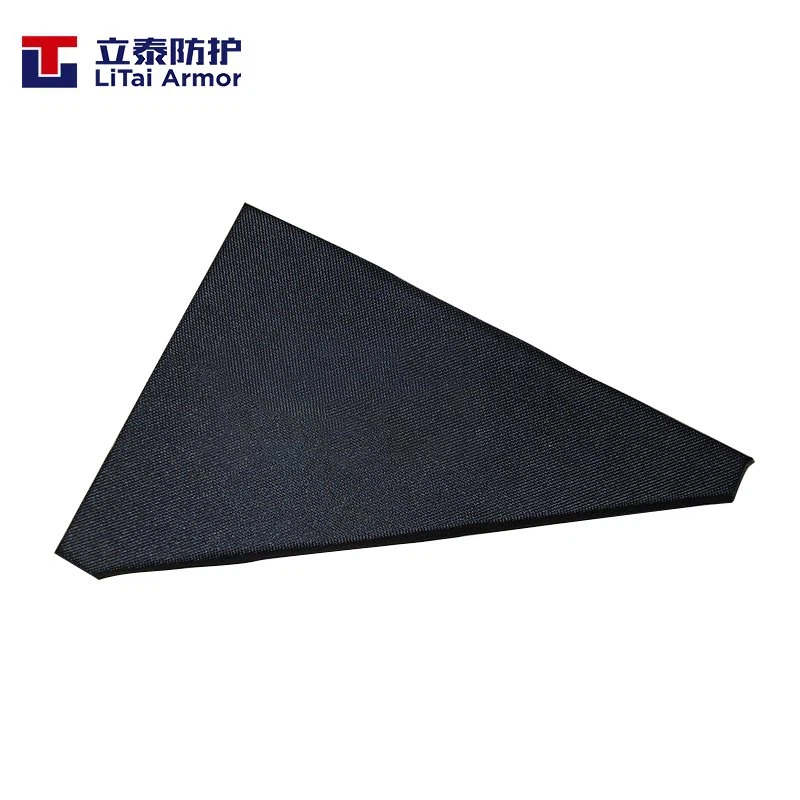
The fatigue process in ballistic fabrics typically starts with the initiation of small cracks or defects within the fabric structure. These can be caused by micro - stresses that build up during normal use. As the cyclic loading continues, these cracks propagate, gradually weakening the fabric. Eventually, if the fatigue damage is severe enough, the fabric may lose its ability to effectively stop projectiles, compromising the safety of the user.
Factors Affecting Fatigue Resistance
Several factors influence the fatigue resistance of ballistic fabrics. One of the most significant factors is the type of fiber used. High - performance fibers such as aramid (e.g., Kevlar), ultra - high - molecular - weight polyethylene (UHMWPE), and glass fibers are commonly used in ballistic fabrics due to their excellent strength - to - weight ratios.
Aramid fibers, for instance, have a high modulus and good resistance to abrasion, which contribute to their fatigue resistance. They can withstand repeated flexing and stretching without significant loss of strength. UHMWPE fibers, on the other hand, are known for their high impact strength and low density. However, they can be more susceptible to environmental factors such as UV radiation, which can degrade the fibers over time and reduce fatigue resistance.
The fabric construction also plays a crucial role. Woven fabrics, for example, have a different fatigue behavior compared to non - woven fabrics. Woven fabrics are made by interlacing yarns in a specific pattern, which can provide some degree of flexibility and resistance to crack propagation. Non - woven fabrics, which are made by bonding fibers together, may have different stress - distribution characteristics.
The manufacturing process can also affect fatigue resistance. Proper heat treatment, for example, can improve the internal structure of the fibers and enhance their fatigue performance. Additionally, the quality of the finishing treatments applied to the fabric, such as coatings or laminations, can protect the fibers from environmental damage and improve their overall durability.
Testing Fatigue Resistance
Testing the fatigue resistance of ballistic fabrics is a complex process that requires specialized equipment and techniques. One common method is the cyclic loading test, where a sample of the fabric is subjected to repeated loading and unloading cycles at a specific frequency and load level. During the test, the fabric's properties, such as strength, stiffness, and strain, are monitored over time.
Another approach is the flexural fatigue test, which measures the fabric's ability to withstand repeated bending. In this test, the fabric is bent back and forth a certain number of times, and the changes in its physical properties are evaluated. These tests can provide valuable information about the fabric's fatigue life and help manufacturers optimize their designs and manufacturing processes.
Importance of Fatigue Resistance in Different Applications
In military applications, the fatigue resistance of ballistic fabrics is of utmost importance. Soldiers are often in the field for extended periods, and their body armor needs to maintain its protective capabilities throughout. A fabric with poor fatigue resistance may fail prematurely, leaving the soldier vulnerable to ballistic threats.
Law enforcement officers also rely on high - quality ballistic fabrics. They may be involved in multiple high - stress situations over the course of their careers, and their protective gear must be able to withstand the repeated stresses associated with these activities.
In the aerospace industry, ballistic fabrics are used in applications such as aircraft seating and interior panels to protect against debris and potential impacts. Fatigue resistance is crucial in these applications to ensure the long - term safety and reliability of the aircraft components.
Our Ballistic Fabric Offerings
At our company, we offer a wide range of ballistic fabrics with excellent fatigue resistance. Our Ripstop Ballistic Fabric is designed with a special ripstop weave that helps prevent the spread of tears and enhances its durability under repeated stress. This fabric is suitable for a variety of applications, including tactical vests and backpacks.
Our Ballistic Polyester Fabric combines the strength of polyester fibers with advanced manufacturing techniques to provide good fatigue resistance. It is a cost - effective option for applications where high - performance protection is required without sacrificing durability.
For applications where water resistance is also a concern, our Waterproof Ballistic Nylon Fabric is an ideal choice. The waterproof coating not only protects the fabric from moisture but also helps to improve its fatigue resistance by preventing the degradation of the fibers due to water exposure.
Contact Us for Procurement
If you are in the market for high - quality ballistic fabrics with excellent fatigue resistance, we invite you to contact us for procurement discussions. Our team of experts can provide you with detailed information about our products, including their performance characteristics, applications, and pricing. We are committed to providing our customers with the best possible solutions for their ballistic protection needs.
References
- Callister, W. D., & Rethwisch, D. G. (2011). Materials Science and Engineering: An Introduction. Wiley.
- Chou, T. W., & Kelly, A. (Eds.). (1980). Composite Materials: Testing and Design. ASTM International.
- Vincent, J. F. V. (1990). Structural Biomaterials. Princeton University Press.


