

In the high - stakes world of law enforcement, close - range combat situations are fraught with danger. Patrol cars, the frontline vehicles for police officers, often find themselves in the crosshairs of firearms. As a leading supplier of Patrol Car Armour, I am deeply involved in understanding and implementing the most effective protection mechanisms. In this blog, I will explore how patrol car armour safeguards against firearms in close - range combat.
The Threat Landscape in Close - Range Combat
Close - range combat presents unique challenges for patrol cars. In such scenarios, the distance between the attacker and the patrol car is minimal, sometimes less than a few meters. This means that the bullets fired can have high kinetic energy and are more likely to penetrate the vehicle's body if not properly protected. Common firearms used in these situations range from handguns to shotguns, each with its own characteristics and levels of lethality.
Handguns, for example, are relatively easy to conceal and can be fired quickly. They typically fire smaller caliber bullets, but at close range, these bullets can still cause significant damage. Shotguns, on the other hand, fire a spread of pellets, increasing the chances of hitting the vehicle. The close proximity also means that the attacker can aim more accurately, targeting vulnerable areas of the patrol car such as the windows, doors, and engine compartment.
The Basics of Patrol Car Armour
Patrol car armour is designed to absorb and dissipate the energy of incoming bullets, preventing them from penetrating the vehicle and harming the occupants. There are several types of materials used in patrol car armour, each with its own advantages and disadvantages.
One of the most common materials is steel. Steel armour is known for its high strength and durability. It can effectively stop bullets from most handguns and some shotguns. However, steel is also heavy, which can reduce the vehicle's fuel efficiency and maneuverability. To address this issue, manufacturers often use high - strength steel alloys that offer good protection while minimizing weight.
Another popular material is ceramic. Ceramic armour is lightweight and has excellent ballistic properties. It works by shattering the bullet upon impact, dispersing its energy over a larger area. This reduces the likelihood of the bullet penetrating the vehicle. However, ceramic armour can be brittle and may crack or break after multiple impacts.
Composite materials are also widely used in patrol car armour. These materials combine the properties of different substances, such as fiberglass, Kevlar, and resin. Composite armour offers a good balance between weight, strength, and cost. It can be molded into complex shapes, allowing for custom - fit protection for different parts of the patrol car.
How Patrol Car Armour Protects in Close - Range Combat
Bullet Resistance
The primary function of patrol car armour is to resist the penetration of bullets. When a bullet hits the armour, the material deforms and absorbs the bullet's kinetic energy. In the case of steel armour, the bullet may flatten or fragment upon impact, losing its ability to penetrate further. Ceramic armour shatters the bullet, spreading its energy across the surface of the ceramic tiles. Composite armour uses a combination of layers to slow down and stop the bullet.
For example, in a close - range encounter where a handgun is fired at the patrol car, the armour's outer layer will first come into contact with the bullet. If it is a steel layer, it will start to deform, bending and stretching as it tries to absorb the bullet's energy. The inner layers, such as composite or ceramic, will then further dissipate the remaining energy, ensuring that the bullet does not reach the vehicle's interior.
Fragmentation Prevention
In addition to stopping bullets, patrol car armour also helps prevent fragmentation. When a bullet hits the armour, it can break into smaller pieces, which can still cause injury. The armour is designed to contain these fragments, preventing them from flying into the vehicle.
Some types of armour, such as composite armour, have a special layer that acts as a "catch" for fragments. This layer is made of a soft, flexible material that can trap the fragments and prevent them from passing through. Steel armour can also help contain fragments to some extent, as the bullet may stick to the steel surface or break into larger, less dangerous pieces.
Protection of Critical Areas
Patrol car armour is strategically placed to protect the most critical areas of the vehicle. These areas include the driver and passenger compartments, the engine, and the fuel tank. By focusing on these areas, the armour ensures that the vehicle can continue to operate and the occupants can remain safe even under fire.
The windows of the patrol car are also a critical area. Special bullet - resistant glass is used, which is often made of multiple layers of glass and plastic. This glass can withstand the impact of bullets and prevent them from shattering into the vehicle. The doors are reinforced with armour panels to protect the occupants from side - on attacks.
The Importance of Quality and Testing
As a Patrol Car Armour supplier, I understand the importance of quality and testing. All our armour products undergo rigorous testing to ensure they meet the highest standards of protection. We use industry - recognized testing methods, such as shooting the armour with different types of firearms at various distances and angles.
The testing process helps us determine the armour's performance in different scenarios. For example, we test the armour's ability to stop multiple consecutive shots, as this is a common situation in close - range combat. We also test the armour's resistance to different calibers of bullets, from small - caliber handguns to larger - caliber rifles.
In addition to ballistic testing, we also conduct durability tests. The armour is subjected to harsh environmental conditions, such as extreme temperatures, humidity, and vibration. This ensures that the armour will maintain its performance over time, even in the most challenging situations.
Customization for Different Needs
Every law enforcement agency has different requirements for their patrol cars. Some may operate in urban areas, where close - range combat is more likely to occur in narrow streets and alleys. Others may work in rural areas, where the threats may be different. As a supplier, we offer customized patrol car armour solutions to meet these diverse needs.
We can provide different levels of protection based on the agency's budget and threat assessment. For example, agencies operating in high - risk areas may require higher - level armour that can stop more powerful firearms. We can also customize the installation of the armour to fit the specific make and model of the patrol car.

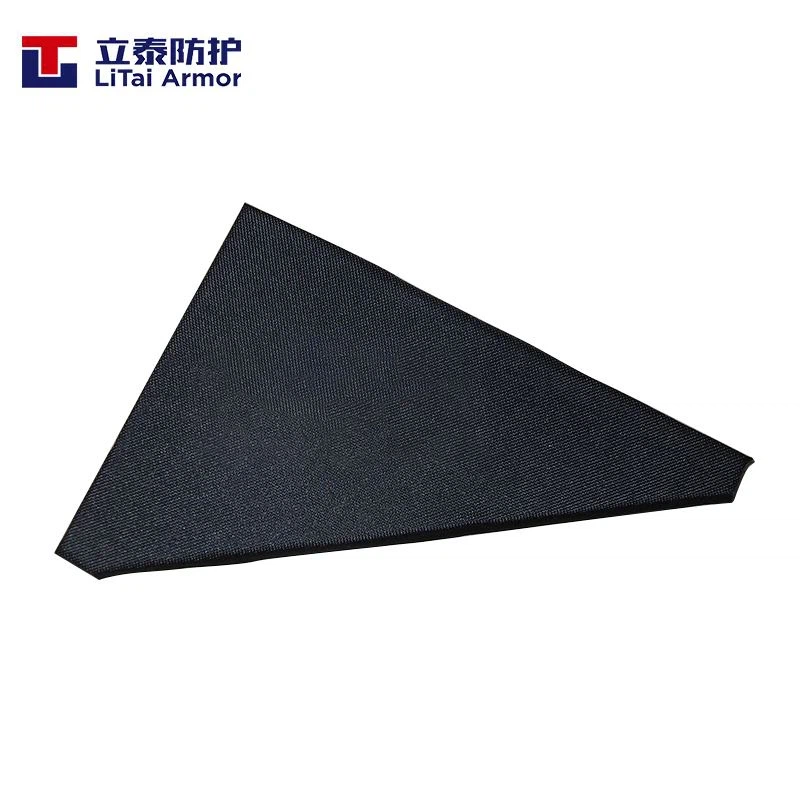
Our Product Offerings
We offer a wide range of patrol car armour products, including Vehicles Armour, Police Vehicle Armour, and Armoured Police Vehicle. Our products are designed to provide the best possible protection in close - range combat and other high - risk situations.
Our Vehicles Armour is suitable for a variety of vehicles, not just patrol cars. It can be customized to fit different sizes and shapes, offering flexible protection solutions. The Police Vehicle Armour is specifically designed for police cars, with a focus on protecting the driver and passengers. Our Armoured Police Vehicle is a fully - equipped solution that includes all the necessary armour and features for maximum protection.
Contact Us for Procurement
If you are interested in our patrol car armour products, we invite you to contact us for procurement discussions. Our team of experts can provide you with detailed information about our products, including specifications, pricing, and installation options. We are committed to providing the highest quality patrol car armour to ensure the safety of law enforcement officers in close - range combat and other dangerous situations.
References
- Ballistics Research Laboratory. "Handbook of Ballistic Materials and Penetration Mechanics."
- International Association of Chiefs of Police. "Best Practices for Patrol Vehicle Armour."
- National Institute of Justice. "Standards for Vehicle Armour."


