Can a bulletproof vest plate be used in nuclear, biological, and chemical (NBC) environments? This is a question that often arises in discussions about protective equipment, especially among those in high - risk professions such as military personnel, law enforcement officers, and first responders. As a supplier of bulletproof vest plates, I'd like to delve into this topic to provide a clear understanding.
The Function of Bulletproof Vest Plates
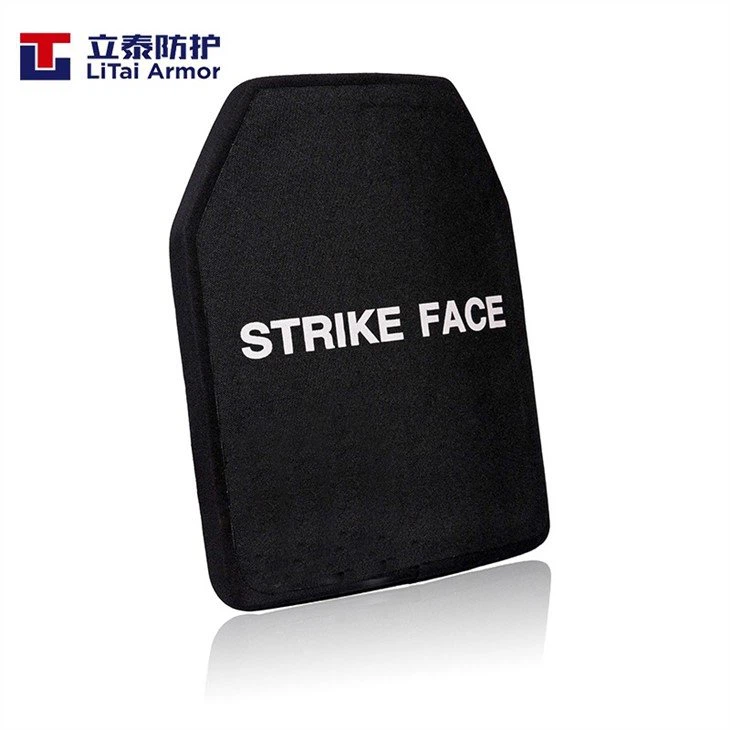
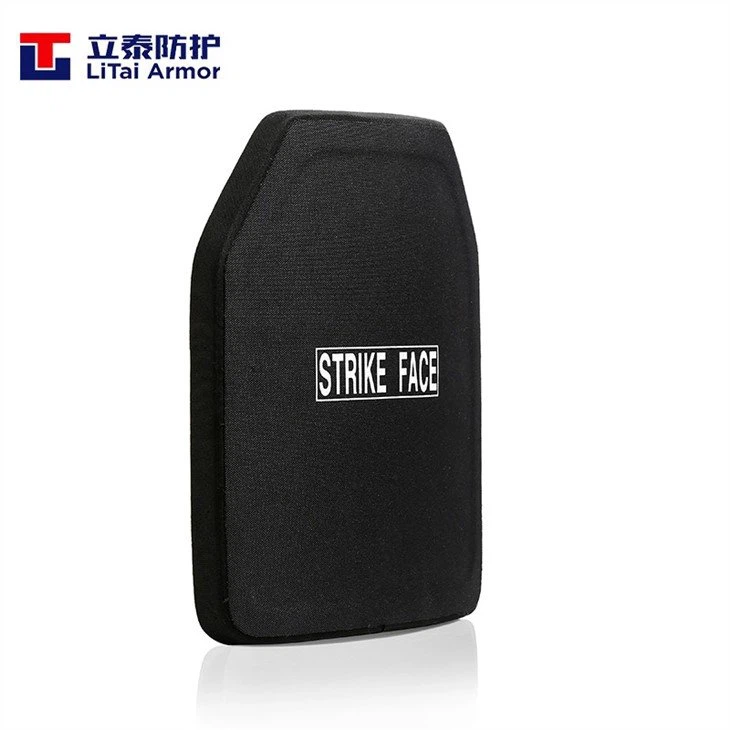
Bulletproof vest plates are designed primarily to protect against ballistic threats, such as bullets from firearms. They are made from various materials, each with its own unique properties. For instance, our PE Plate Level III is made of high - performance polyethylene. This material is known for its light weight and excellent ballistic resistance. It can effectively stop bullets of certain calibers, providing crucial protection for the wearer in combat or high - risk law enforcement situations.
Another popular option is our Light Weight NIJ III Ballistic Plate. This plate meets the strict standards of the National Institute of Justice (NIJ) Level III, which means it can withstand multiple impacts from a variety of ammunition types, including 7.62x51 mm NATO ball ammunition. And our Bulletproof Plate Level 3 is also a reliable choice, offering a balance between protection and comfort.
Limitations in NBC Environments
However, when it comes to nuclear, biological, and chemical (NBC) environments, bulletproof vest plates have significant limitations.
Nuclear Hazards
In a nuclear environment, the primary threats are ionizing radiation, such as alpha particles, beta particles, gamma rays, and neutrons. Bulletproof vest plates, regardless of the material they are made of, are not designed to protect against ionizing radiation. The materials used in bulletproof plates, like polyethylene or ceramics, do not have the atomic properties needed to effectively shield or absorb these types of radiation. For example, gamma rays are high - energy photons that can penetrate most materials easily. To protect against gamma rays, dense materials such as lead or concrete are typically required. Since bulletproof plates are engineered for lightness and ballistic protection, they lack the density and composition to provide radiation protection.
Biological Hazards
In biological environments, the main concern is the presence of harmful microorganisms such as bacteria, viruses, and fungi. Bulletproof vest plates do not have any features to prevent the entry of these biological agents. They are not sealed or treated in a way that would prevent the passage of microscopic organisms. For instance, if a person is in an area contaminated with a highly infectious virus, the porous structure of the plate materials and the gaps in the vest assembly would allow the virus - carrying aerosols or droplets to reach the wearer's body. Protection against biological hazards requires specialized suits made of materials that can filter out microorganisms and prevent their contact with the skin.
Chemical Hazards
Chemical environments present threats from toxic chemicals, including gases, liquids, and solids. Bulletproof vest plates do not offer effective protection against chemical agents. The materials used in these plates are not resistant to the corrosive or reactive properties of many chemicals. For example, a strong acid could damage the plate material, compromising its ballistic protection capabilities. Additionally, there is no barrier in bulletproof plates to prevent the absorption or penetration of chemical agents, which could then be in direct contact with the wearer's skin.
Complementary Protection in NBC Environments
While bulletproof vest plates alone are not sufficient in NBC environments, they can be part of a comprehensive protective ensemble. When combined with appropriate NBC - protective gear, the overall protection level can be significantly enhanced.
For nuclear protection, wearing a radiation - shielding vest made of lead or other radiation - absorbing materials in addition to a bulletproof vest plate can offer dual protection. Similarly, for biological and chemical protection, a full - body chemical - biological suit can be worn over the bulletproof vest. This suit is designed to prevent the entry of harmful agents and can be equipped with respirators to ensure clean air intake.
The Importance of Understanding Protective Needs
As a bulletproof vest plate supplier, I understand the importance of matching the right protective equipment to the specific threats. It is crucial for our customers to have a clear understanding of the environments they will be operating in. In military operations, for example, soldiers may be faced with both ballistic threats and NBC hazards. In such cases, providing them with a combination of bulletproof vests and NBC - protective gear is essential.
For law enforcement officers, while the likelihood of facing NBC hazards may be lower, it is still important to be prepared. In high - risk situations, such as dealing with terrorist incidents where there may be a potential for NBC attacks, having the appropriate protective equipment can save lives.
Conclusion
In conclusion, bulletproof vest plates are excellent at providing protection against ballistic threats, but they are not suitable for use in nuclear, biological, and chemical (NBC) environments on their own. However, when integrated with proper NBC - protective gear, they can form part of a well - rounded protective solution.
If you are interested in our bulletproof vest plates or have questions about protective equipment for different environments, please feel free to contact us for further discussions. We are committed to providing you with the highest quality products and the best advice to meet your specific protective needs.
References
- NIJ Standard - 0101.06: Ballistic Resistance of Body Armor
- Handbook of Nuclear, Biological and Chemical Protection