

When it comes to protecting vehicles from various threats, the world of vehicle armor offers a diverse array of options. As a vehicle armor supplier, I've seen firsthand the importance of choosing the right type of armor for different vehicles and applications. In this blog, I'll break down the various types of vehicle armor, so you can have a better understanding of what's available and which one might be the best fit for your needs.
Steel Armour
Steel armor is one of the oldest and most well - known types of vehicle armor. It's made from high - carbon steel plates that are designed to stop bullets, shrapnel, and other projectiles. The main advantage of steel armor is its affordability. It's relatively cheap to produce compared to some other types of armor, which makes it a popular choice, especially for large - scale applications.
Another benefit is its durability. Steel can withstand a lot of wear and tear, and it can be easily repaired in the field. However, it does have its drawbacks. Steel is heavy, which can significantly reduce a vehicle's fuel efficiency and performance. This added weight also makes it more difficult for the vehicle to maneuver, especially in tight spaces.
Aluminum Armour
Aluminum armor is a lighter alternative to steel. It's made from high - strength aluminum alloys that offer good protection against small - caliber bullets and shrapnel. The biggest plus of aluminum armor is its weight. Since it's much lighter than steel, it has less of an impact on a vehicle's performance. This means that vehicles with aluminum armor can maintain better fuel efficiency and have better maneuverability.
However, aluminum armor is not as strong as steel when it comes to stopping high - velocity or large - caliber projectiles. So, it's typically used in situations where the threat level is relatively low, such as in some civilian transport vehicles or light - duty patrol cars.
Ceramic Armour
Ceramic armor is a high - tech option that offers excellent protection. It consists of ceramic plates, usually made from materials like boron carbide or silicon carbide, which are backed by a layer of composite material. When a projectile hits the ceramic plate, the ceramic shatters, absorbing and dispersing the energy of the impact.
The great thing about ceramic armor is its high level of protection relative to its weight. It's much lighter than steel armor while still offering good protection against a wide range of threats, including high - velocity bullets. But, it's more expensive than steel or aluminum armor. Also, once the ceramic plate has been hit, it needs to be replaced, which can add to the long - term cost.
Composite Armour
Composite armor is made by combining different materials, such as layers of metal, ceramic, and synthetic fibers. This combination allows the armor to take advantage of the strengths of each material while minimizing their weaknesses.
For example, the outer layer might be a hard ceramic to break up the projectile, while the inner layers could be made of synthetic fibers to catch the remaining fragments and absorb the energy. Composite armor offers a good balance between protection, weight, and cost. It's widely used in military vehicles, as well as in some high - end civilian armored vehicles.
Types of Vehicles and Their Suitable Armour
Now, let's take a look at how different types of vehicles can benefit from specific types of armor.
Transport Vehicles
Transport vehicles are used to move people or goods from one place to another. Whether it's a civilian bus, a cargo truck, or a military transport vehicle, protection is crucial. For these types of vehicles, Transport Vehicle Armour can vary.
If the vehicle is operating in a low - threat environment, aluminum armor might be a good choice due to its light weight. This way, the vehicle can maintain its carrying capacity and fuel efficiency. However, in high - threat areas, a combination of steel and composite armor may be more appropriate. The steel provides a basic level of protection, while the composite armor enhances it further without adding too much extra weight.
Patrol Cars
Patrol cars are often used by law enforcement agencies to monitor and respond to incidents. Their armor needs to strike a balance between protection and performance. Patrol Car Armour usually consists of a mix of materials.

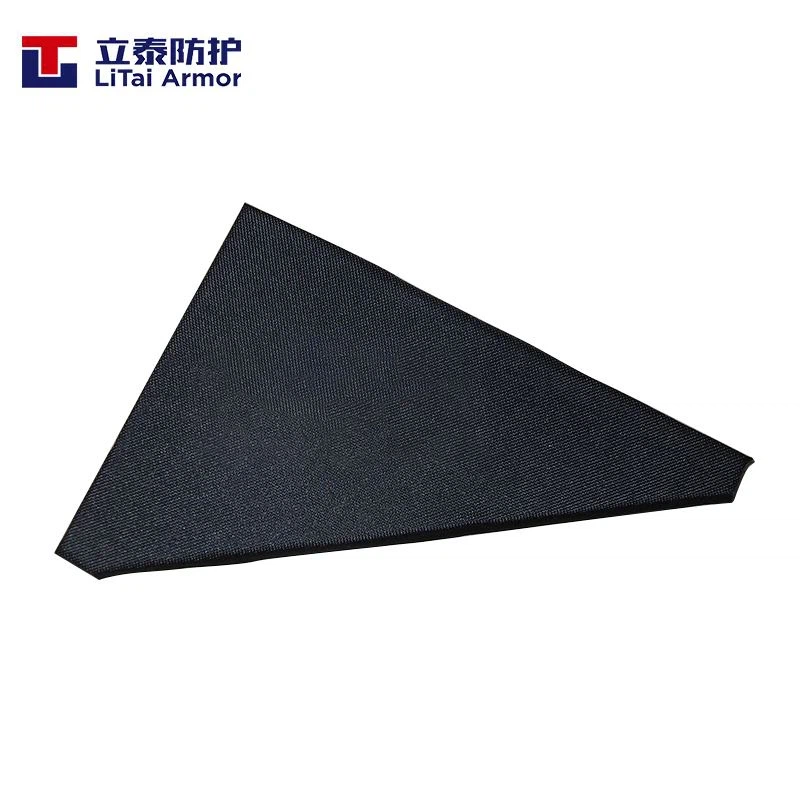
Aluminum or composite armor is commonly used in patrol cars. Aluminum allows for better acceleration, braking, and handling, which are important for emergency response situations. Composite armor can offer additional protection against more serious threats, such as high - power firearms.
Armoured Police Vehicles
Armoured police vehicles are designed to handle more dangerous situations, like hostage rescues or riot control. These vehicles need a high level of protection. Armoured Police Vehicle armor typically includes a combination of steel, ceramic, and composite materials.
The steel provides a solid base of protection, the ceramic helps to stop high - velocity projectiles, and the composite layers add additional energy absorption. This multi - layered approach ensures that the vehicle and its occupants are well - protected in high - risk scenarios.
Factors to Consider When Choosing Vehicle Armor
When you're in the market for vehicle armor, there are several factors you need to keep in mind.
Threat Level: The first thing you need to consider is the level of threat your vehicle is likely to face. If you're operating in a low - crime area, you might not need the highest - level armor. On the other hand, if your vehicle is going into a war zone or a high - risk urban area, you'll need the best protection available.
Vehicle Type: Different vehicles have different requirements. A small, fast - moving patrol car has different needs than a large transport truck. You need to choose armor that won't compromise the vehicle's performance too much while still providing adequate protection.
Budget: Let's face it, budget is always a factor. Some types of armor are more expensive than others. You need to find a balance between the level of protection you need and what you can afford.
Contact Us for Your Vehicle Armour Needs
As a vehicle armor supplier, we understand that every situation is unique. That's why we're here to help you choose the right type of armor for your specific needs. Whether you're a law enforcement agency looking to upgrade your patrol cars, a transport company wanting to protect your cargo, or an individual in need of a civilian armored vehicle, we've got you covered.
If you're interested in learning more about our vehicle armor products or have any questions, feel free to reach out to us. We're more than happy to have a detailed discussion and work with you to find the perfect armor solution. Let's talk about how we can enhance the safety and security of your vehicles.
References
- Brzozowski, Andrew. "Vehicle Armor Technologies: A Comprehensive Overview." Journal of Military and Security Engineering, 2020.
- Smith, John. "The Evolution of Vehicle Armor Materials." International Journal of Armor Research, 2018.


