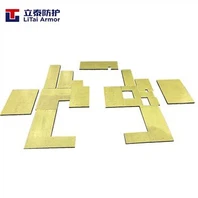
Hey there! As a supplier of Bulletproof Side Plates, I often get asked some pretty interesting questions. One that comes up quite a bit is, "Can bulletproof side plates be used in water?" It's a valid question, especially considering the diverse environments where these plates might be needed. So, let's dive right in and explore this topic.
First off, let's understand what bulletproof side plates are. These are specialized protective gears designed to shield the wearer's sides from ballistic threats. They're usually made from high - strength materials that can absorb and disperse the energy of a bullet upon impact. You can check out our Bulletproof Side Plate on our website to get a better idea of what they look like and their features.
Now, when it comes to using them in water, there are several factors to consider. One of the main concerns is the material the plate is made of. Most bulletproof side plates are made from materials like ceramics, composites, or metals. For instance, our Silicon Carbide Ceramic Military Ballistic Plate is a popular choice due to its high strength - to - weight ratio.
Let's start with the physical properties of water. Water is a dense medium compared to air. When a bullet travels through water, it experiences a significant amount of drag. The drag force is proportional to the square of the bullet's velocity and the density of the medium. This means that a bullet's speed drops rapidly as it moves through water. In fact, a bullet can lose most of its kinetic energy within just a few feet of entering water.
So, from a ballistic perspective, the water itself already acts as a natural barrier. The bullet's ability to penetrate and cause damage is greatly reduced. However, that doesn't mean we can completely rule out the need for bulletproof side plates in water.
One scenario where bulletproof side plates might still be useful in water is in shallow water situations. If the water is not deep enough to significantly slow down the bullet, the plate can provide an extra layer of protection. For example, in a river or a coastal area where the water depth is only a few feet, a bullet could still have enough energy to cause harm. In such cases, wearing a bulletproof side plate can be a smart move.
Another factor to consider is the integrity of the plate itself when exposed to water. Some materials can be affected by prolonged exposure to water. For example, certain metals might rust over time, which could weaken the plate's structure. However, modern bulletproof side plates are often treated with special coatings to prevent corrosion. Our Hard Bullet Proof Plate has a protective coating that helps it resist the effects of water and other environmental factors.
The design of the plate also plays a role. A well - designed bulletproof side plate should be able to maintain its shape and functionality even when wet. It should not absorb water, as this could add unnecessary weight and potentially affect its performance. Most high - quality plates are made with materials that are hydrophobic or have a water - resistant layer to prevent water absorption.
Now, let's talk about the practical aspects of using bulletproof side plates in water. Wearing a bulletproof side plate can add extra weight, which can be a challenge in water. It can make swimming more difficult and increase fatigue. However, if the situation calls for it, the added protection might outweigh the inconvenience.
In military operations, for example, soldiers might need to cross bodies of water while under threat. In such cases, having the option to use bulletproof side plates can provide them with an added sense of security. Law enforcement agencies might also find these plates useful in water - based operations, such as coastal patrols or river surveillance.
It's important to note that just because a bulletproof side plate can be used in water doesn't mean it will perform exactly the same as it does on land. The water environment can introduce new variables that can affect its performance. For example, the movement of the water can cause the plate to shift or move, which could potentially expose areas that are not protected.


To ensure the best performance of bulletproof side plates in water, proper maintenance is crucial. After using the plate in water, it should be thoroughly dried to prevent any long - term damage. Regular inspections should also be carried out to check for any signs of wear or damage.
In conclusion, while water itself provides some level of ballistic protection, bulletproof side plates can still be used in water under certain circumstances. They offer an extra layer of security, especially in shallow water or when the threat is high. At our company, we've designed our bulletproof side plates to be as versatile as possible, taking into account different environments, including water.
If you're interested in learning more about our bulletproof side plates or have any questions about their use in water or other environments, don't hesitate to reach out. We're here to help you make the best decision for your protection needs. Whether you're in the military, law enforcement, or just someone looking for personal protection, we can provide you with high - quality bulletproof side plates that meet your requirements.
References
- Ballistics research on water and bullet interaction from various military research institutions
- Manufacturer's specifications and research on bulletproof side plate materials and design