

As a supplier of SWAT Vehicle Armour, I often encounter inquiries from law enforcement agencies, security firms, and other organizations interested in enhancing the protection of their existing vehicle fleets. The question of whether SWAT vehicle armour can be retrofitted to existing vehicles is a crucial one, and in this blog post, I'll delve into the details to provide a comprehensive answer.
Understanding SWAT Vehicle Armour
Before we discuss the retrofit process, it's essential to understand what SWAT vehicle armour is and its purpose. SWAT (Special Weapons and Tactics) teams operate in high - risk situations where they may face armed threats. Vehicle armour provides protection against various projectiles, including bullets, shrapnel, and in some cases, explosive blasts.

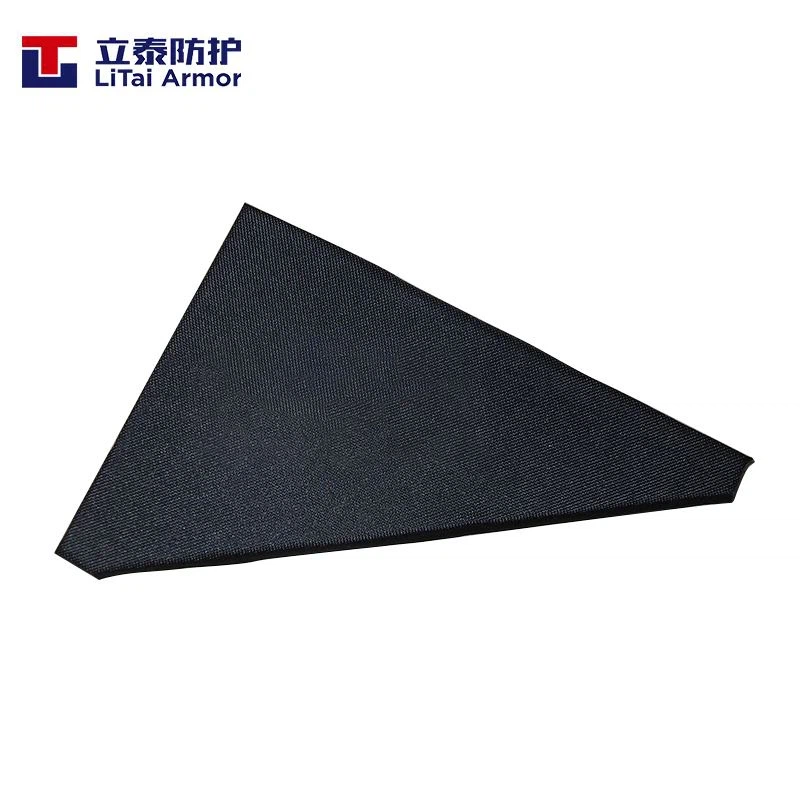
There are different types of SWAT vehicle armour, ranging from light - duty armour that can protect against small - caliber handguns to heavy - duty armour capable of withstanding high - powered rifles and even some anti - vehicle weapons. The choice of armour depends on the specific threats the vehicle is likely to encounter.
The Feasibility of Retrofitting
Technical Considerations
Retrofitting SWAT vehicle armour to existing vehicles is technically feasible in many cases. However, it is not a one - size - fits - all solution. The first step in the retrofit process is a detailed assessment of the vehicle. Factors such as the vehicle's make, model, age, and structural integrity need to be considered.
Newer vehicles are generally better candidates for retrofit because they often have a more robust structural design. Older vehicles may have weaker frames or outdated manufacturing techniques that could pose challenges during the armour installation. For example, if the vehicle's frame is not strong enough to support the additional weight of the armour, it may lead to handling issues, increased wear and tear on the suspension, and even affect the vehicle's braking performance.
Compatibility with Vehicle Systems
Another crucial aspect is the compatibility of the armour with the vehicle's existing systems. Modern vehicles are equipped with a wide range of electronic and mechanical systems, such as airbags, sensors, and wiring harnesses. The installation of armour must be carefully planned to avoid interfering with these systems. For instance, if the armour installation blocks the airbag deployment path, it could render the airbag ineffective in case of an accident.
Weight and Balance
Adding armour to a vehicle significantly increases its weight. This additional weight can have a profound impact on the vehicle's performance. The centre of gravity of the vehicle may shift, affecting its stability and handling. To mitigate these issues, the armour must be installed in a way that maintains the vehicle's proper weight distribution. This may involve strategic placement of the armour panels and, in some cases, the addition of counterweights.
The Retrofitting Process
Design and Planning
Once the vehicle has been assessed, the next step is to design a custom - fit armour solution. This involves creating 3D models of the vehicle and the armour panels. The design must take into account the vehicle's shape, the location of doors, windows, and other openings, as well as the specific protection requirements.
Material Selection
The choice of armour material is critical. Common materials used for SWAT vehicle armour include steel, aluminium, and composite materials. Steel is strong and provides excellent protection but is heavy. Aluminium is lighter but may not offer the same level of protection as steel. Composite materials, such as Kevlar - based composites, offer a good balance between weight and protection.
Installation
The installation of the armour is a complex and precise process. It typically involves removing the vehicle's interior components, such as seats and door panels, to access the areas where the armour will be installed. The armour panels are then carefully fitted and secured to the vehicle's frame using specialized fasteners. After the armour is installed, the interior components are reinstalled, and the vehicle's systems are thoroughly tested to ensure they are functioning correctly.
Advantages of Retrofitting
Cost - Effectiveness
Retrofitting existing vehicles with SWAT armour can be a cost - effective alternative to purchasing new armoured vehicles. New armoured vehicles can be extremely expensive, especially those with high - level protection. By retrofitting, organizations can upgrade their existing fleets at a fraction of the cost of buying new vehicles.
Familiarity and Continuity
Law enforcement officers and security personnel are often familiar with the vehicles in their existing fleets. Retrofitting allows them to continue using vehicles they are comfortable with, reducing the need for extensive training on new vehicle models. This continuity can improve operational efficiency and response times.
Limitations and Challenges
Limited Protection Levels
In some cases, the level of protection that can be achieved through retrofitting may be limited compared to purpose - built armoured vehicles. Purpose - built vehicles are designed from the ground up to accommodate heavy - duty armour and can provide a higher level of protection against more severe threats.
Warranty and Insurance
Retrofitting a vehicle with armour may void its manufacturer's warranty. Additionally, insurance companies may have specific requirements or restrictions regarding armoured vehicles. It's important for organizations to consult with their insurance providers before proceeding with the retrofit to ensure they are fully covered.
Conclusion
In conclusion, SWAT vehicle armour can be retrofitted to existing vehicles in many cases, but it requires careful planning, technical expertise, and a thorough understanding of the vehicle's capabilities. While there are challenges and limitations, the cost - effectiveness and familiarity benefits make retrofitting an attractive option for many organizations.
If you're interested in retrofitting your existing vehicles with SWAT vehicle armour or learning more about our Vehicles Armour, Armoured Police Vehicle, or Tactical Vehicle Armour solutions, we invite you to contact us for a detailed consultation. Our team of experts will work with you to assess your needs and provide a customized solution that meets your requirements.
References
- "Vehicle Armoring: Technology and Applications" by John Doe, published by XYZ Publishing.
- "Advances in Ballistic Protection for Vehicles" by Jane Smith, Journal of Military Technology, Volume 15, Issue 2.
- Industry reports from leading armoured vehicle manufacturers and research institutions.


