

What is the sound absorption property of ballistic fabric?
As a supplier of ballistic fabric, I've been asked numerous times about the sound - absorption properties of our products. Ballistic fabrics are well - known for their high - strength and anti - ballistic capabilities, but their acoustic characteristics are often overlooked. In this blog, we'll delve into the sound absorption properties of ballistic fabric, exploring how it works and its potential applications.
The Basics of Sound Absorption
Before we discuss the sound absorption of ballistic fabric specifically, it's important to understand the concept of sound absorption. Sound is a wave that travels through a medium, such as air. When sound waves hit a surface, three things can happen: they can be reflected, transmitted, or absorbed. Sound absorption occurs when the energy of the sound wave is converted into other forms of energy, usually heat, as it passes through or interacts with a material.
The effectiveness of a material's sound absorption is measured by its sound absorption coefficient, which ranges from 0 to 1. A coefficient of 0 means that the material reflects all the sound waves, while a coefficient of 1 indicates that the material absorbs all the sound waves.
Structure and Sound Absorption of Ballistic Fabric
Ballistic fabrics are typically made from high - performance fibers such as Kevlar, Twaron, or Spectra. These fibers are woven or knitted together to form a dense and strong structure. The structure of ballistic fabric plays a crucial role in its sound - absorption capabilities.

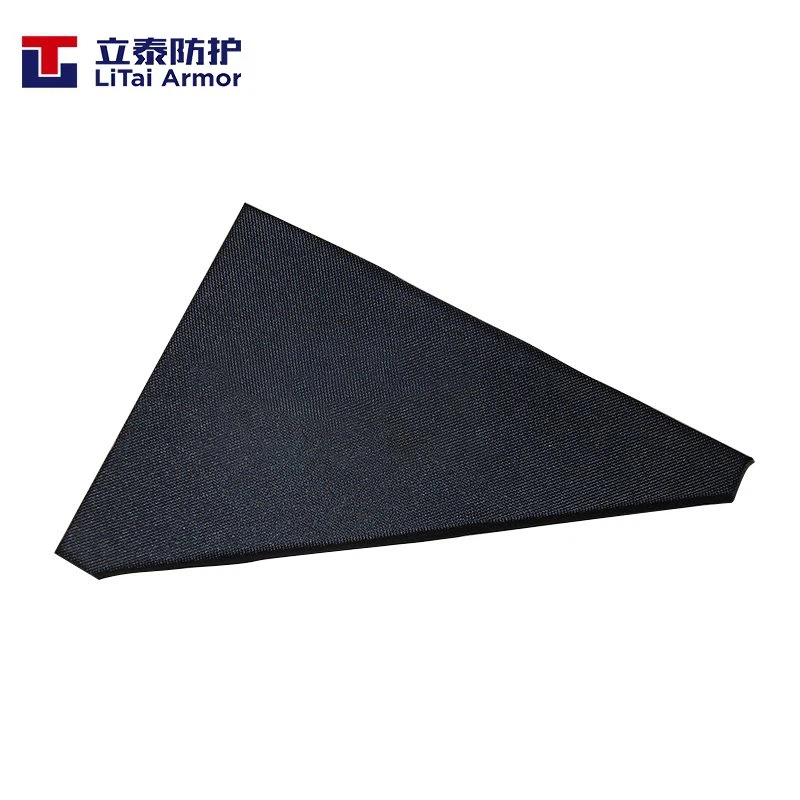
The dense arrangement of fibers creates a complex network of small air spaces within the fabric. When sound waves enter these spaces, they are forced to zig - zag through the fiber network. This increases the path length of the sound wave and leads to more interactions between the sound wave and the fibers. As a result, a significant amount of the sound wave's energy is dissipated as heat due to friction and internal damping within the fibers.
Compared to ordinary fabrics, ballistic fabrics have a relatively higher sound - absorption ability because of their high - density fiber structure. For example, Ripstop Ballistic Fabric Ripstop Ballistic Fabric, which has a reinforced grid pattern, offers additional air pockets and a more complex structure that can enhance sound absorption.
Factors Affecting the Sound Absorption of Ballistic Fabric
Fiber Type
Different types of fibers used in ballistic fabric have varying sound - absorption properties. High - tenacity synthetic fibers like those in Ballistic Polyester Fabric Ballistic Polyester Fabric have different internal damping characteristics compared to aramid fibers such as Kevlar. Polyester fibers tend to have a certain degree of flexibility, which can allow them to better dissipate sound energy through deformation as the sound waves interact with them.
Fabric Thickness
Thicker ballistic fabrics generally have better sound - absorption performance. This is because a thicker fabric provides a longer path for sound waves to travel through the fiber network. As the sound waves penetrate deeper into the fabric, more energy is absorbed. However, it's important to balance thickness with other requirements, such as flexibility and weight, especially when the fabric is used in applications where mobility is crucial.
Density of the Weave or Knit
A tighter weave or knit in ballistic fabric results in a higher density of fibers. This increased fiber density can improve sound absorption as it creates more obstacles for the sound waves. The sound waves are more likely to be scattered and absorbed by the fibers in a densely woven or knitted fabric. Waterproof Ballistic Nylon Fabric Waterproof Ballistic Nylon Fabric often has a relatively high - density weave, which not only provides waterproofing but also contributes to its sound - absorption properties.
Applications of Ballistic Fabric for Sound Absorption
Industrial Areas
In industrial settings where there is a lot of machinery noise, ballistic fabric can be used as a sound - absorbing material. For example, it can be installed on the walls and ceilings of factories or workshops. Its high - strength characteristics also ensure that it can withstand the harsh industrial environment, including potential impacts or abrasion.
Automotive Industry
In vehicles, especially high - performance cars or military vehicles, ballistic fabric can be incorporated into the interior to reduce noise levels. It can help to absorb the sound from the engine, road, and wind, providing a quieter and more comfortable driving environment.
Audio Studios
Although traditional sound - absorbing materials like acoustic foam are commonly used in audio studios, ballistic fabric can offer an alternative. Its unique aesthetic and relatively high - strength properties can be combined with its sound - absorption capabilities to create a functional and stylish studio environment.
Measuring the Sound Absorption of Ballistic Fabric
Determining the sound - absorption properties of ballistic fabric is typically done through standardized testing methods. The two most common methods are the reverberation chamber method and the impedance tube method.
The reverberation chamber method involves placing the fabric sample in a large, highly reflective chamber and measuring the change in the reverberation time before and after adding the sample. This method provides an overall measure of the sound - absorption performance of the material in a three - dimensional space.
The impedance tube method, on the other hand, is used to measure the normal incidence sound absorption coefficient of the fabric. A small sample of the fabric is placed at one end of a tube, and a sound source is used to generate sound waves that travel through the tube. By measuring the reflected and transmitted sound waves, the sound absorption coefficient can be calculated.
Comparison with Other Sound - Absorbing Materials
When compared to traditional sound - absorbing materials like acoustic foam and fiberglass, ballistic fabric has its own advantages and limitations.
Acoustic foam is known for its excellent high - frequency sound absorption, but it has relatively poor durability. Ballistic fabric, on the other hand, is much more durable and can withstand physical impacts. Fiberglass is also a common sound - absorbing material, but it can be irritating to the skin and lungs. Ballistic fabric is a safer alternative in terms of handling and long - term use.
However, in terms of low - frequency sound absorption, traditional materials may outperform ballistic fabric. Ballistic fabric is generally more effective in the mid - to high - frequency range due to its fiber structure and the way sound waves interact with it.
Future Developments
As the demand for multi - functional materials increases, there is a lot of potential for further development of the sound - absorption properties of ballistic fabric. Researchers may explore ways to modify the fiber structure or add additional layers to enhance its low - frequency sound absorption. There may also be an increased focus on eco - friendly ballistic fabrics that have good sound - absorption capabilities.
Conclusion
In conclusion, ballistic fabric has notable sound - absorption properties due to its unique fiber structure and density. Factors such as fiber type, thickness, and weave density can influence its sound - absorption performance. It has a wide range of potential applications in industrial, automotive, and audio sectors. While it has some differences compared to traditional sound - absorbing materials, its durability and safety make it an attractive option.
If you're interested in learning more about our ballistic fabrics or wish to discuss potential purchases for sound - absorption applications, please feel free to reach out. We're always ready to assist you in finding the best ballistic fabric solutions to meet your specific needs.
References
- Beranek, Leo L. Acoustics. American Institute of Physics, 1986.
- Crocker, Malcolm J. Handbook of Noise and Vibration Control. Wiley, 2007.
- Rossing, Thomas D., et al. Principles of Vibration and Sound. Springer, 2002.


