

Hey there! As a supplier of Bulletproof Side Plates, I often get asked how these bad boys protect against armor - piercing bullets. So, let's dive right into it and break down the science behind it.
First off, you gotta understand what armor - piercing bullets are. These are specially designed projectiles that are built to penetrate armored targets. They usually have a hard, dense core, like tungsten or depleted uranium, which gives them the ability to punch through tough materials. Unlike regular bullets, armor - piercing bullets are a whole different ballgame, and that's why we need equally tough bulletproof side plates to stop them.
The Basics of Bulletproof Side Plates
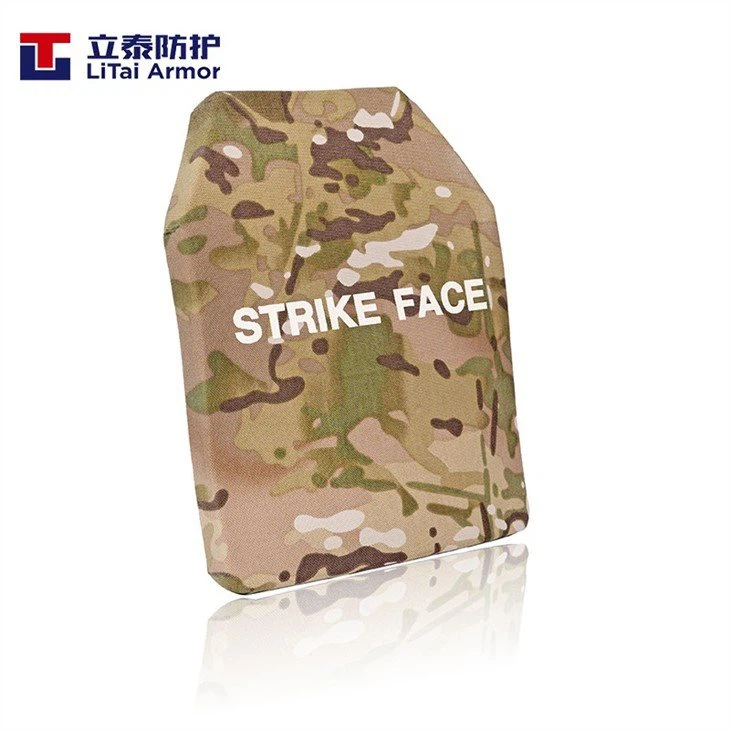
Bulletproof side plates are made from a variety of materials, each with its own unique properties that contribute to stopping bullets. The most common materials used are ceramics, composites, and metals.
Ceramics are a popular choice for bulletproof side plates. They're incredibly hard and can withstand a high amount of force. When an armor - piercing bullet hits a ceramic plate, the ceramic material starts to fracture. This fracturing process is crucial because it helps to dissipate the energy of the bullet. Instead of the bullet plowing straight through, the ceramic breaks up the bullet's tip and spreads out its energy over a larger area. You can check out our Ceramic Material Ballistic Plate for more info on this type of plate.
Composites, on the other hand, are made by combining different materials to create a stronger, more flexible plate. They often consist of layers of fibers, like Kevlar or Spectra, which are known for their high tensile strength. When a bullet hits a composite plate, the fibers stretch and absorb the energy of the bullet. This stretching process slows down the bullet and eventually stops it from penetrating the plate.
Metals, such as steel or titanium, are also used in bulletproof side plates. They're strong and can provide good protection against armor - piercing bullets. However, they're also heavier than ceramics and composites, which can be a drawback in some situations.
How Bulletproof Side Plates Stop Armor - Piercing Bullets
Now, let's get into the nitty - gritty of how bulletproof side plates actually stop armor - piercing bullets. When an armor - piercing bullet makes contact with a bulletproof side plate, several things happen in a split second.
The first thing is the initial impact. The bullet hits the plate with a tremendous amount of force. If it's a ceramic plate, the ceramic starts to crack and shatter at the point of impact. This shattering process creates a cone - shaped area of broken ceramic, which helps to blunt the bullet's tip. As the bullet tries to push through the broken ceramic, it loses a significant amount of its energy.
Next, the bullet has to deal with the remaining layers of the plate. If it's a composite plate, the fibers start to stretch and deform. This stretching action absorbs the bullet's energy and slows it down. The layers of the plate work together to spread out the force of the bullet over a larger area, making it less likely to penetrate.
In the case of a metal plate, the bullet deforms upon impact. The metal's strength resists the bullet's penetration, and the deformation of the bullet itself helps to dissipate energy. The bullet may flatten or break apart as it tries to push through the metal, reducing its ability to penetrate further.
The Role of Silicon Carbide in Bulletproof Side Plates
Silicon carbide is a super - star material when it comes to bulletproof side plates. It's an extremely hard ceramic material that offers excellent protection against armor - piercing bullets.
Silicon carbide has a high hardness rating, which means it can withstand the impact of an armor - piercing bullet without breaking easily. When a bullet hits a Silicon Carbide Bulletproof Plate, the silicon carbide quickly fractures and forms a network of cracks. This network of cracks helps to break up the bullet's tip and spread out its energy.
Moreover, silicon carbide is lightweight compared to some other materials used in bulletproof plates. This makes it ideal for applications where weight is a concern, such as in military or law enforcement gear. Our Silicon Carbide Ceramic Military Ballistic Plate is a great example of how silicon carbide can be used to create high - performance bulletproof side plates.
Testing and Certification
Bulletproof side plates go through rigorous testing to ensure they can provide the level of protection they claim. There are various standards and certifications that plates must meet, such as the National Institute of Justice (NIJ) standards in the United States.
These tests involve firing different types of bullets at the plates from various distances and angles. The plates are then examined to see if they've been penetrated. Only plates that pass these tests are certified as bulletproof. As a supplier, we make sure that all our bulletproof side plates meet or exceed these standards, so you can be confident in the protection they provide.
Why Choose Our Bulletproof Side Plates
As a supplier, we're committed to providing high - quality bulletproof side plates. We use the latest materials and manufacturing techniques to ensure our plates offer the best possible protection against armor - piercing bullets.
Our plates are not only effective but also lightweight and comfortable to wear. We understand that in high - stress situations, every little bit of comfort matters. Whether you're a military personnel, a law enforcement officer, or someone who needs personal protection, our bulletproof side plates are designed to meet your needs.
Contact Us for Purchasing
If you're interested in purchasing bulletproof side plates, we'd love to hear from you. Whether you need a small quantity for personal use or a large order for an organization, we can help. Just reach out to us, and we'll be happy to discuss your requirements and provide you with a quote. Our team of experts is always on hand to answer any questions you may have about our products.

References
- Ballistics: Theory and Design of Guns and Ammunition by Brian J. Simonds
- The Science of Bulletproofing by Richard G. Lee
- Military Ballistics: A Basic Manual by Major General Julian Hatcher


