

Hey there! As a supplier of ballistic fabric, I often get asked a super common question: "Can ballistic fabric stop knives?" Well, let's dive right into this topic and break it down in a way that's easy to understand.
First off, what exactly is ballistic fabric? Ballistic fabric is a type of material that's designed to resist the impact of projectiles, like bullets. It's made from super - strong fibers that are woven or laminated together to create a tough barrier. There are different types of ballistic fabrics out there, such as Waterproof Ballistic Nylon Fabric, Ballistic Polyester Fabric, and Ripstop Ballistic Fabric. Each type has its own unique properties and uses.
Now, back to the big question: can it stop knives? The short answer is, it depends. Ballistic fabric is primarily engineered to handle the high - velocity impact of bullets. Bullets carry a huge amount of kinetic energy when they hit a target, and the ballistic fabric works by spreading out that energy over a larger area, preventing the bullet from penetrating.
When it comes to knives, the situation is a bit different. A knife attack involves a much lower - velocity, but more focused force. Instead of a high - speed impact, you've got a sharp blade being pushed or pulled through the fabric.
Some ballistic fabrics can offer a certain level of protection against knives. The strong fibers in the fabric can resist being cut or punctured to an extent. For example, fabrics made from aramid fibers, like Kevlar, are known for their high tensile strength. These fibers can snag the blade of a knife, making it harder for the knife to cut through.
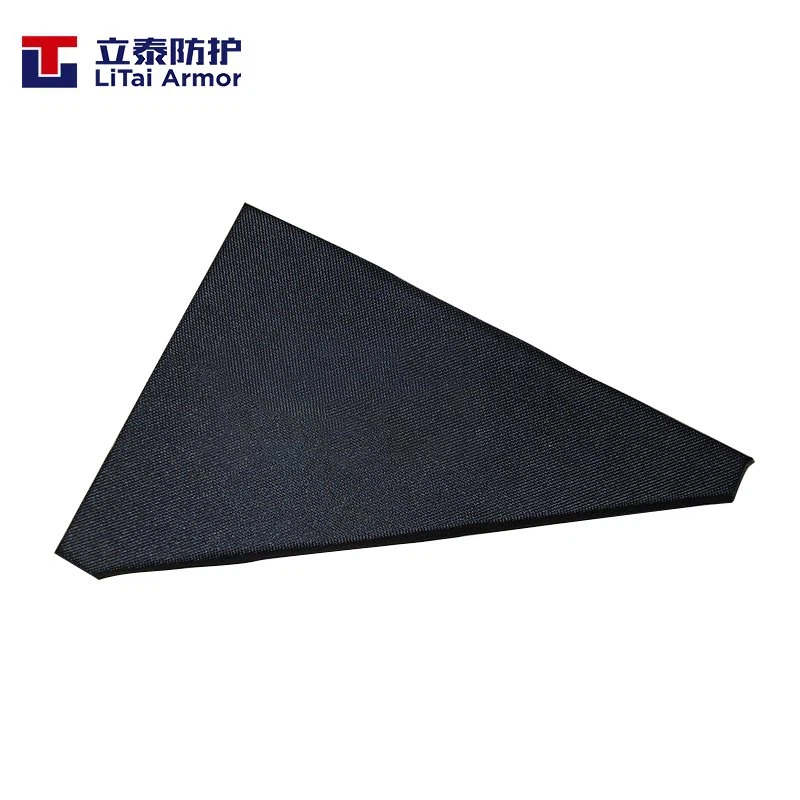

However, it's important to note that not all ballistic fabrics are created equal when it comes to knife protection. Some fabrics might be better at stopping bullets but not as effective against knives. The thickness and density of the fabric also play a crucial role. A thicker, more densely woven fabric is generally more likely to resist a knife attack than a thinner one.
Let's take a look at some real - world scenarios. In a self - defense situation, if someone is attacked with a knife, a piece of ballistic fabric could potentially slow down the blade or prevent it from going all the way through. But it's not a guarantee. A determined attacker with a sharp, long - bladed knife could still manage to penetrate the fabric, especially if they're using a lot of force.
On the other hand, in an industrial setting, where workers might be at risk of accidental knife cuts, ballistic fabric can be a great addition to their protective gear. It can provide an extra layer of safety, reducing the chances of serious injury.
Another factor to consider is the type of knife. A serrated knife, for example, can be more difficult for ballistic fabric to stop compared to a straight - edged knife. The serrations on the blade can saw through the fabric more easily, as they catch on the fibers and break them one by one.
So, how do we test the knife - stopping capabilities of ballistic fabric? There are standardized tests out there. These tests involve using a machine to simulate a knife attack, with a blade being pushed or pulled through the fabric at a specific force and angle. The results of these tests can give us an idea of how well a particular fabric will perform in real - life situations.
Now, if you're thinking about using ballistic fabric for knife protection, there are a few things to keep in mind. First, make sure you choose the right type of fabric for your needs. If knife protection is your main concern, look for fabrics that have been specifically tested and rated for that purpose. Second, consider the thickness and construction of the fabric. A multi - layer fabric might offer better protection than a single - layer one.
As a supplier, I've seen a growing demand for ballistic fabric that offers both bullet and knife protection. People are looking for all - in - one solutions that can keep them safe in different situations. That's why we're constantly working on improving our products, developing new fabrics that can handle a wider range of threats.
If you're in the market for ballistic fabric, whether it's for personal protection, industrial use, or any other application, I'd love to have a chat with you. We can discuss your specific requirements and find the perfect fabric for you. Just reach out, and we can start the conversation about how our ballistic fabric can meet your needs.
In conclusion, while ballistic fabric can offer some level of protection against knives, it's not a foolproof solution. It's important to understand its limitations and choose the right fabric for the job. With the right knowledge and the right product, you can make a more informed decision about using ballistic fabric for knife protection.
References
- Ballistic Materials Handbook: A Guide to the Properties and Applications of Ballistic Fabrics
- Journal of Protective Materials: Studies on the Performance of Ballistic Fabrics Against Knife Attacks


