

As a supplier of ballistic fabric, I've often been asked about the potential applications of this remarkable material. One question that frequently arises is whether ballistic fabric can be used in textile machinery protection. In this blog post, I'll delve into this topic, exploring the properties of ballistic fabric, the requirements of textile machinery protection, and the feasibility of using ballistic fabric in this context.
Understanding Ballistic Fabric
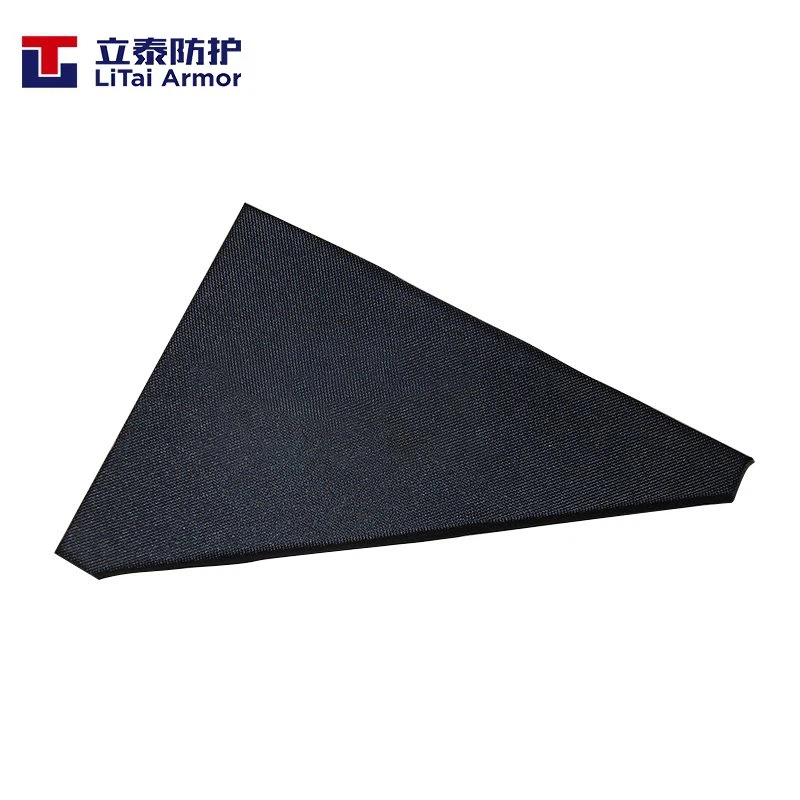
Ballistic fabric is designed to resist penetration by projectiles, such as bullets and shrapnel. It is typically made from high-strength fibers, such as aramid (e.g., Kevlar), polyethylene (e.g., Dyneema), and polyester. These fibers are woven or laminated together to create a fabric that can absorb and dissipate the energy of a projectile, preventing it from passing through.
There are several types of ballistic fabric available, each with its own unique properties and applications. For example, Ballistic Polyester Fabric is known for its high strength-to-weight ratio and resistance to abrasion and chemicals. Ripstop Ballistic Fabric is designed to prevent tears from spreading, making it ideal for applications where durability is a key concern. Ballistic PE UD Fabric is made from unidirectional polyethylene fibers, which provide excellent ballistic performance and flexibility.
Requirements of Textile Machinery Protection
Textile machinery operates in a demanding environment, where it is exposed to a variety of hazards, including mechanical stress, abrasion, and impact. To ensure the safe and efficient operation of textile machinery, it is essential to protect it from these hazards.
The requirements of textile machinery protection can vary depending on the type of machinery and the specific application. However, some common requirements include:
- Mechanical Strength: Textile machinery protection materials must be able to withstand the mechanical stresses associated with the operation of the machinery, such as tension, compression, and shear.
- Abrasion Resistance: Textile machinery is often in contact with moving parts and abrasive materials, such as yarns and fabrics. Therefore, the protection materials must be able to resist abrasion to prevent wear and tear.
- Impact Resistance: Textile machinery may be subject to impact from falling objects or accidental collisions. The protection materials must be able to absorb and dissipate the energy of the impact to prevent damage to the machinery.
- Chemical Resistance: Textile machinery may be exposed to chemicals, such as dyes, solvents, and cleaning agents. The protection materials must be able to resist the effects of these chemicals to prevent corrosion and degradation.
Feasibility of Using Ballistic Fabric in Textile Machinery Protection
Given the properties of ballistic fabric and the requirements of textile machinery protection, it is clear that ballistic fabric has the potential to be used in this context. Here are some of the reasons why:
- High Strength: Ballistic fabric is made from high-strength fibers, which provide excellent mechanical strength. This makes it suitable for protecting textile machinery from mechanical stress, such as tension and compression.
- Abrasion Resistance: The high-strength fibers in ballistic fabric also provide excellent abrasion resistance. This makes it suitable for protecting textile machinery from wear and tear caused by contact with moving parts and abrasive materials.
- Impact Resistance: Ballistic fabric is designed to absorb and dissipate the energy of a projectile, which makes it suitable for protecting textile machinery from impact. It can prevent damage to the machinery caused by falling objects or accidental collisions.
- Chemical Resistance: Some types of ballistic fabric, such as ballistic polyester fabric, are resistant to chemicals. This makes them suitable for protecting textile machinery from the effects of chemicals, such as dyes, solvents, and cleaning agents.
Applications of Ballistic Fabric in Textile Machinery Protection
There are several potential applications of ballistic fabric in textile machinery protection. Here are some examples:
- Machine Covers: Ballistic fabric can be used to make machine covers for textile machinery. These covers can protect the machinery from dust, dirt, and other contaminants, as well as from mechanical stress, abrasion, and impact.
- Conveyor Belts: Ballistic fabric can be used to make conveyor belts for textile machinery. These belts can provide excellent mechanical strength and abrasion resistance, which can improve the efficiency and durability of the conveyor system.
- Cutting Mats: Ballistic fabric can be used to make cutting mats for textile machinery. These mats can provide a smooth and stable surface for cutting fabrics, as well as protect the cutting blade from damage.
- Safety Guards: Ballistic fabric can be used to make safety guards for textile machinery. These guards can protect operators from moving parts and other hazards, as well as prevent damage to the machinery from accidental collisions.
Conclusion
In conclusion, ballistic fabric has the potential to be used in textile machinery protection. Its high strength, abrasion resistance, impact resistance, and chemical resistance make it suitable for protecting textile machinery from a variety of hazards. There are several potential applications of ballistic fabric in textile machinery protection, including machine covers, conveyor belts, cutting mats, and safety guards.
If you're interested in using ballistic fabric for textile machinery protection, I encourage you to contact me to discuss your specific requirements. I can provide you with more information about the different types of ballistic fabric available and help you choose the right fabric for your application. Let's work together to protect your textile machinery and ensure its safe and efficient operation.

References
- "Ballistic Materials and Their Applications" by John W. Gillespie Jr. and James E. Moore Jr.
- "Textile Machinery: Design, Operation, and Maintenance" by R. S. Postle and A. R. Horrocks.
- "Advanced Fibers for Ballistic Protection" by V. C. Agarwal and S. K. Rana.


